

As we enter 2026, education in India continues to evolve at a remarkable pace. Bhubaneswar, already known as an academic powerhouse in Eastern India, is witnessing some of the biggest transformations in CBSE schooling. With NEP 2020 reforms now deeply integrated and AI-driven learning gaining momentum, parents are actively searching for the best CBSE schools in Bhubaneswar that are ahead of the curve.
This detailed blog highlights everything that’s new, trending, and essential for parents in 2026 across NEP implementation, AI learning, skill-based education, assessments, and technological advancements.
1. NEP 2020 Implementation: A More Mature, Structured Rollout in 2026
Most CBSE schools in Bhubaneswar have now fully implemented the 5+3+3+4 structure, but 2026 brings refined methodologies, upgraded assessments, and stronger teacher training systems.
🔹 Foundational Stage (Nursery–Class 3)
In 2026, the focus is even stronger on:
- Play-based and story-based learning
- Logical reasoning and numeracy activities
- Socio-emotional development
- Phonics-based reading
- Minimal homework and reduced textbook dependency
🔹 Preparatory Stage (Classes 4–5)
Schools are integrating:
- Coding concepts using kid-friendly platforms
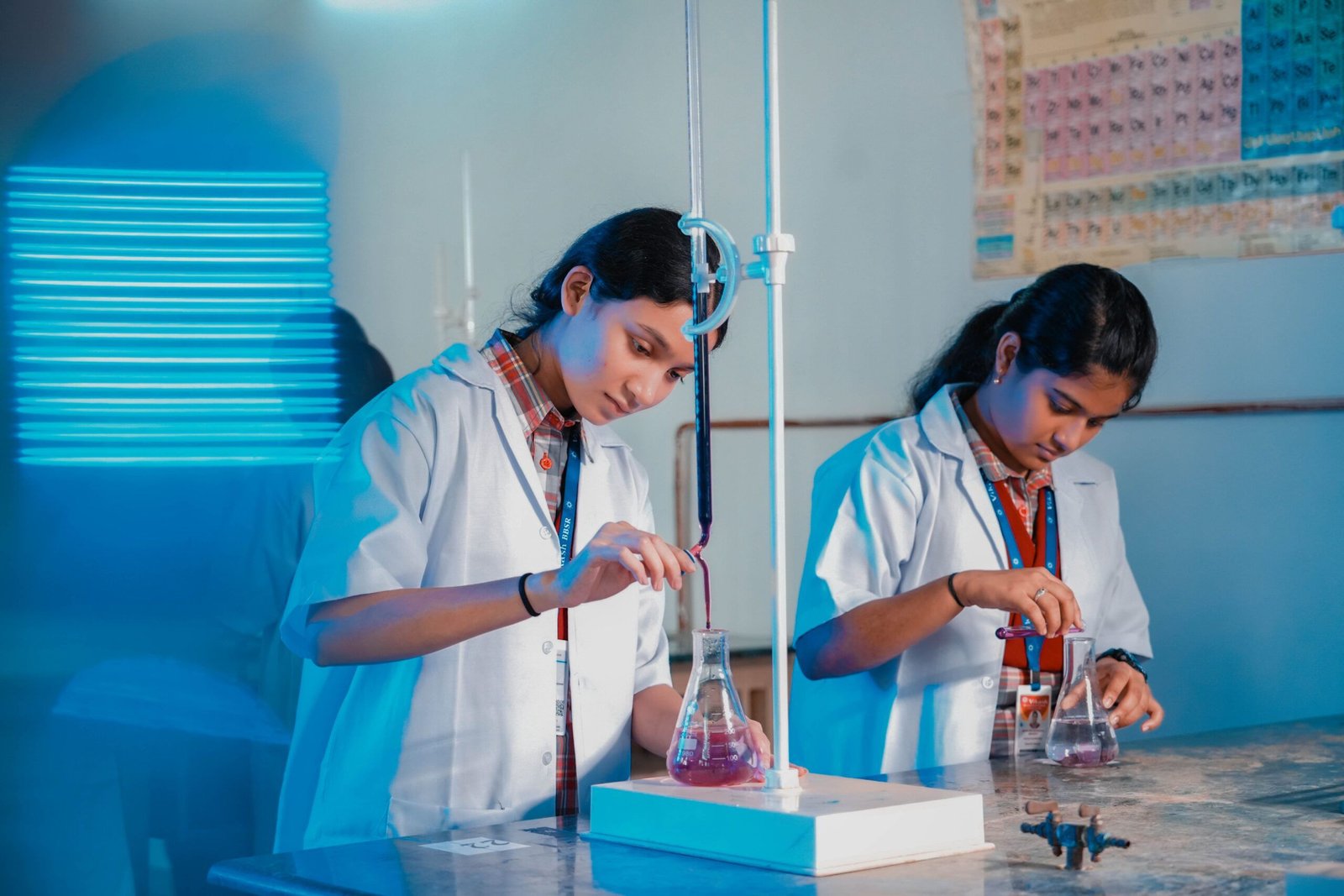
- Hands-on science experiments
- Early exposure to robotics
- Activity-based assessments
- Stronger reading comprehension programs
🔹 Middle Stage (Classes 6–8)
2026 introduces larger academic flexibility and deeper conceptual learning:
- AI, robotics, and STEM curriculum
- Experiential learning through labs
- Real-world projects and collaborative assignments
- Enhanced digital literacy
🔹 Secondary Stage (Classes 9–12)
Bhubaneswar’s top CBSE schools now offer:
- Research-oriented academic pathways
- Multi-disciplinary subject combinations (as per NEP)
- Integrated coaching support (JEE, NEET, CUET, Olympiads)
- Career mapping and aptitude-based counselling
Why this matters for 2026:
Students get an education that adapts to their age, intelligence level, and learning pattern—not a one-size-fits-all approach.
2. AI-Powered Learning: The Biggest Leap in 2026
2026 is the year when AI becomes a built-in part of the classroom experience—not a novelty.
🔹 AI Learning Labs
More CBSE schools now have AI labs where students learn:
- Machine learning basics
- Data science concepts
- Sensor-based automation
- Robotics, IoT, and AI-driven simulations
🔹 AI-Based Personalized Learning
AI systems now help students with:
- Customized study plans
- Real-time doubt solving
- Skill-gap evaluation
- Predictive performance tracking
- Concept reinforcement through targeted micro-lessons
🔹 AI for Teachers
Teachers use AI tools for:
- Student analytics dashboards
- Adaptive homework
- Better assessment preparation
- Individualized feedback
Outcome:
Students get precise, data-backed learning support—and teachers can focus more on mentorship than manual evaluation.
3. Coding, Robotics & STEM: Now Core Skill Areas in 2026
Parents will observe that coding and robotics are no longer optional activities—they’re essential pillars of 2026 learning.
Schools now offer:
- Coding from Class 3 or 4
- Python, Scratch, HTML/CSS basics
- Robotics clubs & competitions
- AI-enabled learning kits
- 3D printing and design workshops
- STEM-focused innovation labs
This shift prepares students for future careers in technology, engineering, and research.
4. Skill-Based Education Takes Full Shape in 2026
CBSE’s competency-based education model is finally mature. In 2026, schools emphasize real-world skills instead of rote memorization.
Key skill areas include:
- Critical thinking
- Communication & presentation
- Creative problem-solving
- Design thinking
- Digital & media literacy
- Financial literacy basics
- Emotional intelligence
- Entrepreneurship mindset
Every classroom now focuses on producing confident, independent, articulate young learners.
5. Upgraded Assessment Model: More Competency, Less Pressure
2026 brings a refined assessment pattern under CBSE’s new guidelines.
What’s new:
- More competency-based questions
- Application-oriented assessments
- Project, portfolio & activity-based evaluation
- Reduced dependency on rote learning
- Case study-based question papers
- Formative assessments throughout the year
This approach promotes understanding, reduces academic anxiety, and boosts conceptual clarity.
6. Future-Ready Classrooms with Smart Technology
CBSE schools in Bhubaneswar are upgrading faster than ever.
2026 classroom upgrades include:
- AI-enabled digital boards
- VR & AR-based learning modules
- Online labs for physics, chemistry & biology
- Tablet-based learning for select grades
- e-Libraries with audiobooks and video lessons
- Smart attendance using facial recognition
- Digital homework tracking
Virtual labs are helping students conduct experiments even outside physical lab spaces—making science learning more immersive.
7. Balanced Education: A Renewed Focus on Holistic Development
Parents today want academics + extracurricular excellence—and 2026 reflects that.
Holistic development programs include:
- Multi-sport coaching (athletics, shooting, swimming, football, cricket)
- Music, dance, fine arts & theatre
- Yoga, mindfulness & wellness sessions
- Leadership clubs & student councils
- Eco clubs and social service programmes
- Inter-school competitions for overall growth
Schools now evaluate the child on all-round development, not just marks.
8. Residential Schooling Gains Popularity in 2026
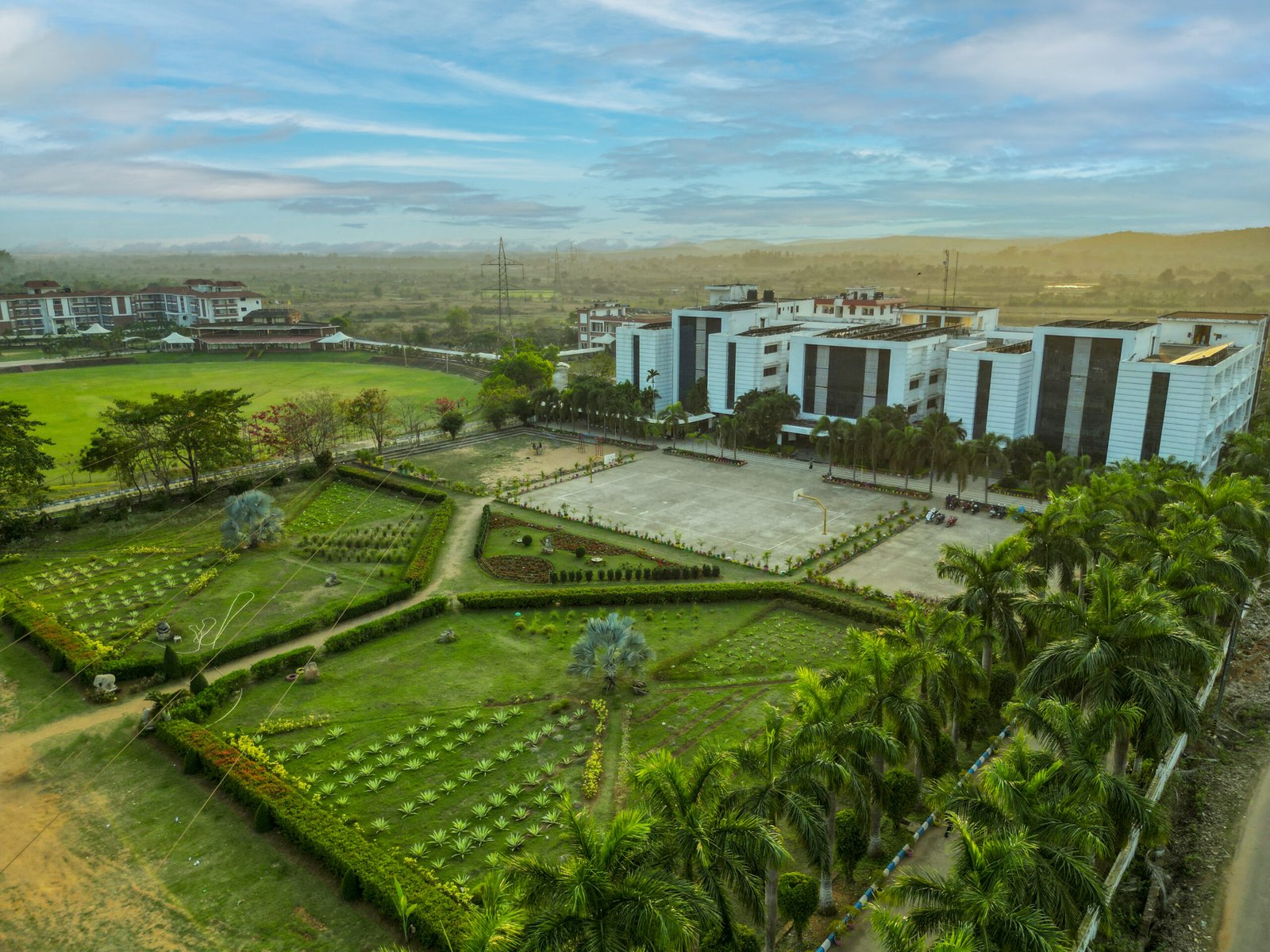
With increasing demand for structured environments, many parents are exploring hostel life in CBSE residential schools in Bhubaneswar.
Modern hostel features include:
- 24/7 CCTV surveillance
- Wardens & pastoral care teams
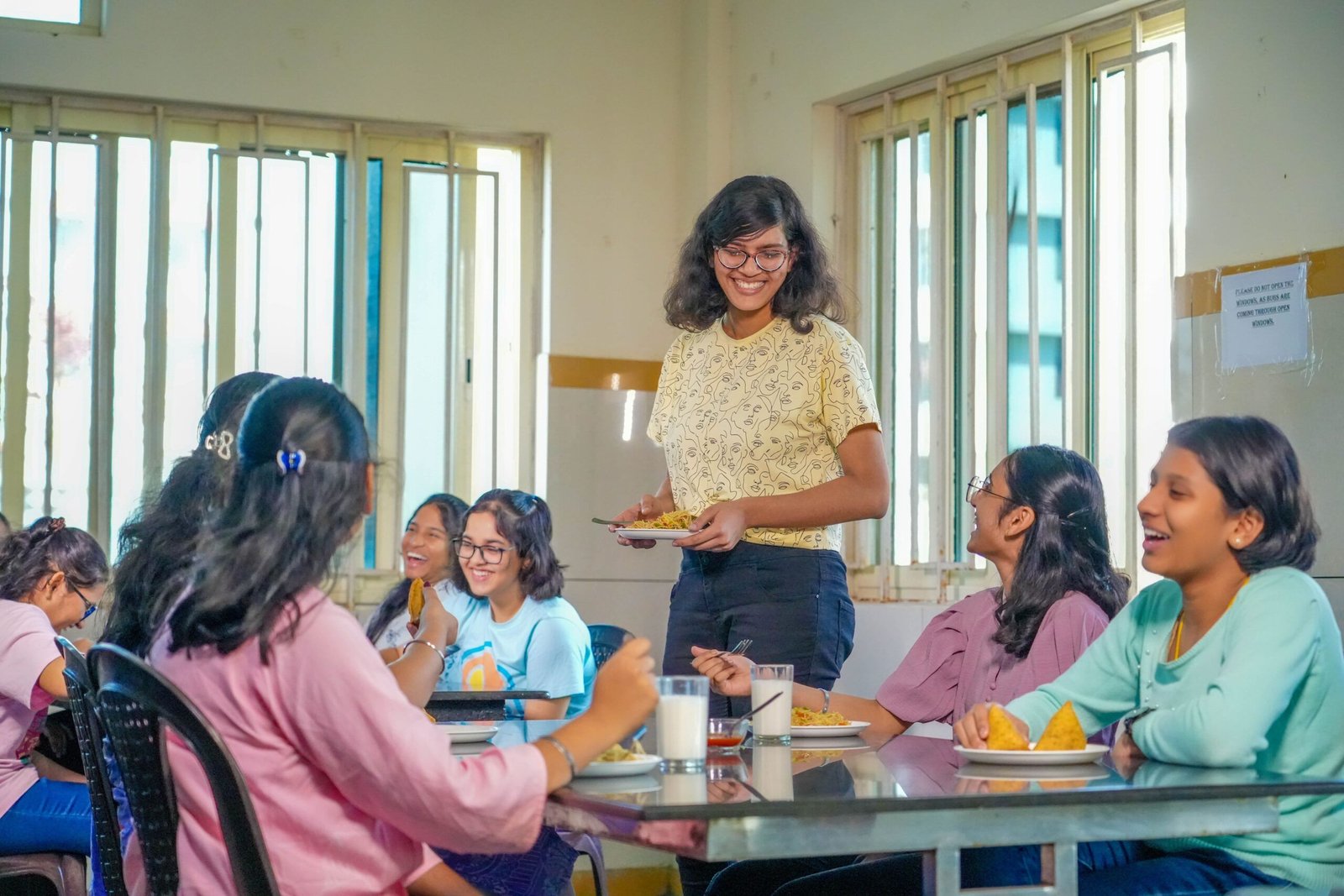
- Nutritious, monitored dining plans
- Structured study hours
- Weekend skill-building sessions
- Sports & recreation facilities
- Personal development workshops
Great hostels today are extensions of home—safe, supportive, and growth-oriented.
9. Stronger Parent-School Collaboration with Digital Tools
2026 introduces smoother communication between schools and families.
Popular tools include:
- Mobile apps for daily updates
- AI-generated performance analytics
- Online PTCs (parent–teacher conferences)
- Weekly progress dashboards
- Digital diaries
- Instant messaging for feedback
This transparency builds trust and keeps parents actively involved in the child’s growth.
Final Thoughts
As CBSE schools in Bhubaneswar step into 2026, they are embracing a future-ready learning model built on:
- NEP 2020 reforms
- AI-driven education
- Skills for real-world success
- Smarter assessments
- Advanced technology integration
- Holistic child development
For parents, this means your child is growing in an environment that prioritizes:
- Understanding over memorization
- Skills over marks
- Exploration over pressure
- Confidence over comparison
Whether your child is in the Foundational, Preparatory, Middle, or Secondary stage, 2026 offers a learning experience designed to help them thrive in a fast-changing world.
Share this :
Our Facilities
- Smart Class
- Bus
- Library
- Medical Facility
- Canteen
- Play Ground
- Security & Safety
- Parent Orientation
- Science & ICT Labs
Popular Post
The Future of Education in Odisha: Why CBSE & English-Medium Schools Are Leading the Way
vikash@admin
January 14, 2026
Hostel Life in the Best CBSE Schools of Odisha: Safety, Discipline, and Life Skills Every Parent Should Know (2026 Guide)
vikash@admin
December 30, 2025