Preparatory Stage (Classes 3–5)
Building Strong Academic Foundations through Exploration, Curiosity and Confidence
As one of the leading CBSE schools for primary classes in Bhubaneswar, we ensure that children experience an enriching blend of academics, creativity, exploration and values – preparing them for the transition into more formal subject-based learning in the Middle Stage.
Our Vision for the Preparatory Stage
Curriculum Overview: Classes 3 to 5
Language & Communication
Students strengthen reading comprehension, vocabulary, oral fluency, pronunciation, and creative expression. Guided reading, storytelling, journal writing, and interactive grammar sessions ensure that children develop strong communication skills in English, along with proficiency in Hindi and Odia as per CBSE norms.
Mathematics and Logical Thinking
Mathematics is taught using visual models, real-life examples and conceptual learning methods. Students explore number systems, basic geometry, measurements, fractions, patterns, and early data handling. They learn not just to calculate but to understand mathematical reasoning and apply it to everyday situations.
Environmental Studies (EVS)
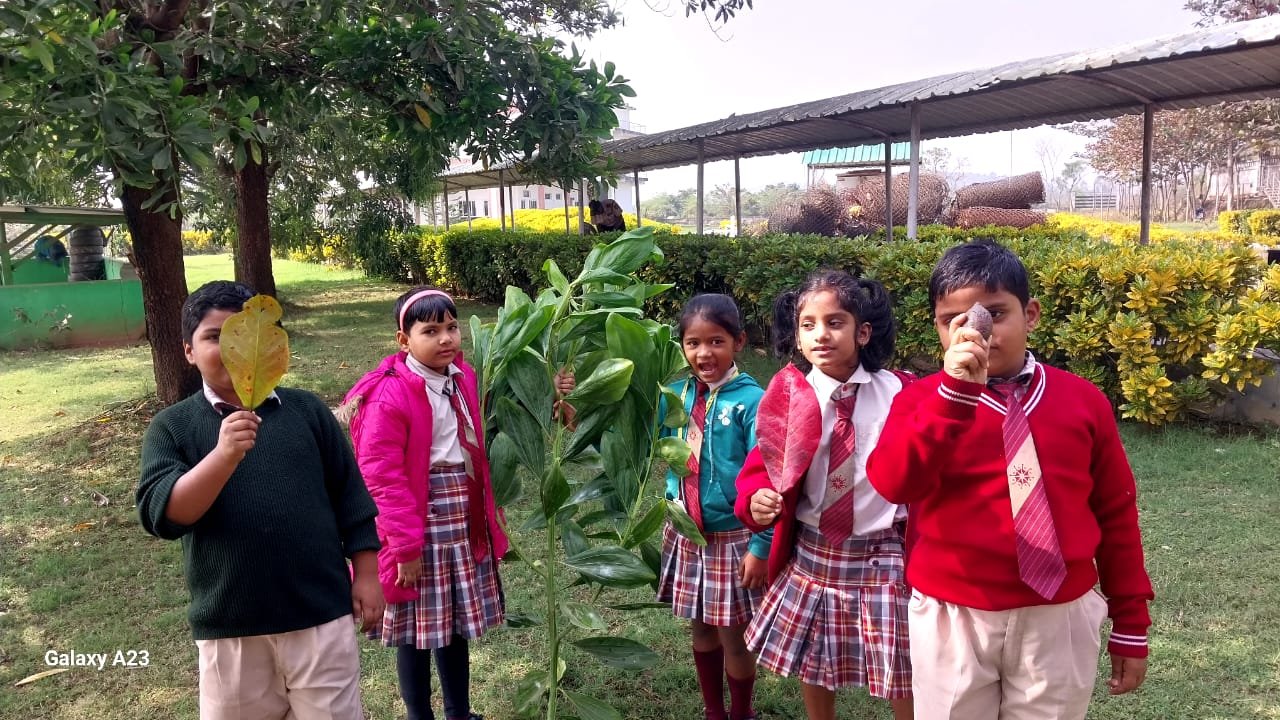
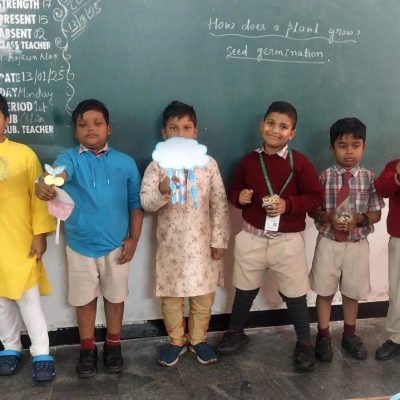
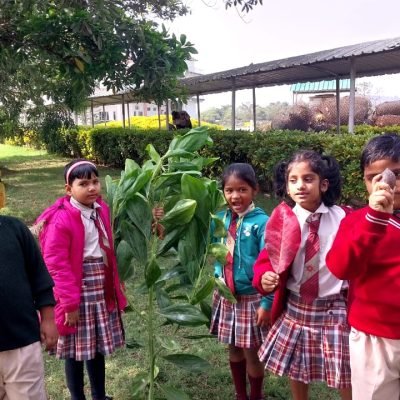
EVS combines early science and social awareness to help students understand the world around them. Children engage with topics like nature, weather, human shelter, food, health, basic ecosystems and community. Activities include field observations, class experiments, map reading, and hands-on projects to build scientific temperament.
Early Scientific Exploration
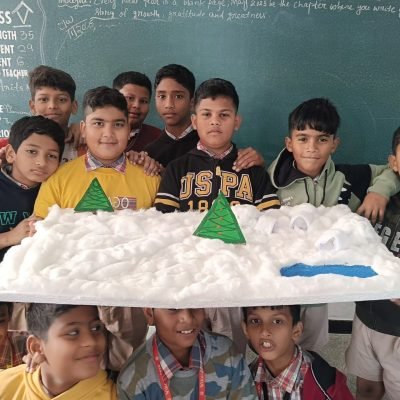
To prepare children for subject-based Science in higher classes, we introduce observation, hypothesis-making, simple experiments, and exploration of natural phenomena. This nurtures curiosity, innovation and analytical thinking from an early age.
Digital Literacy
Students receive age-appropriate exposure to technology. They learn basic computer operations, typing skills, digital safety, educational tools, and responsible internet habits, preparing them for the digital integration required in higher classes.
Arts, Craft, and Cultural Learning
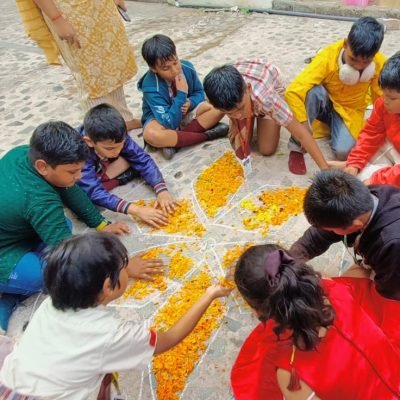
Art, craft, dance and music help students express emotions, develop fine motor skills and appreciate cultural diversity. Creative activities are integrated into the academic calendar to support holistic growth.
Physical Education and Well-being
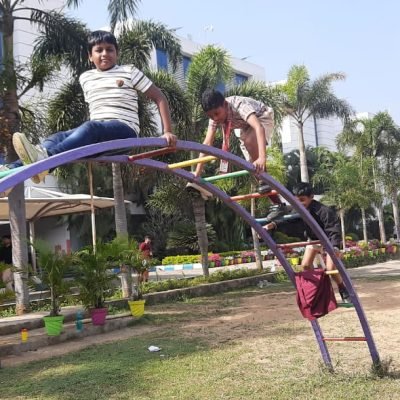
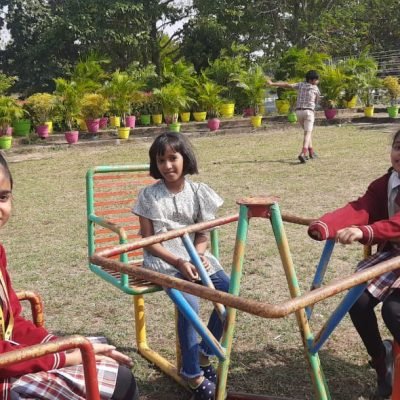
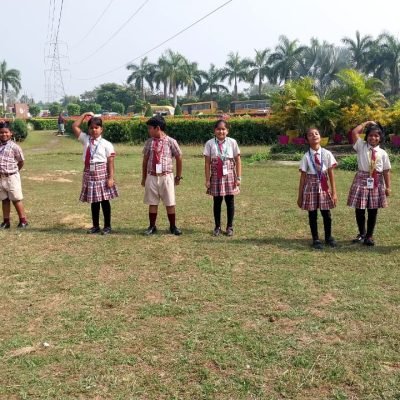
Students participate in structured physical training, yoga, aerobics, games and team sports. Regular fitness activities enhance motor skills, stamina, discipline and teamwork.
Life Skills and Values Education
Our life skills programme focuses on self-management, empathy, respect, communication, responsibility, and leadership. Through discussions, roleplays and guided activities, students develop positive character traits and social awareness.